
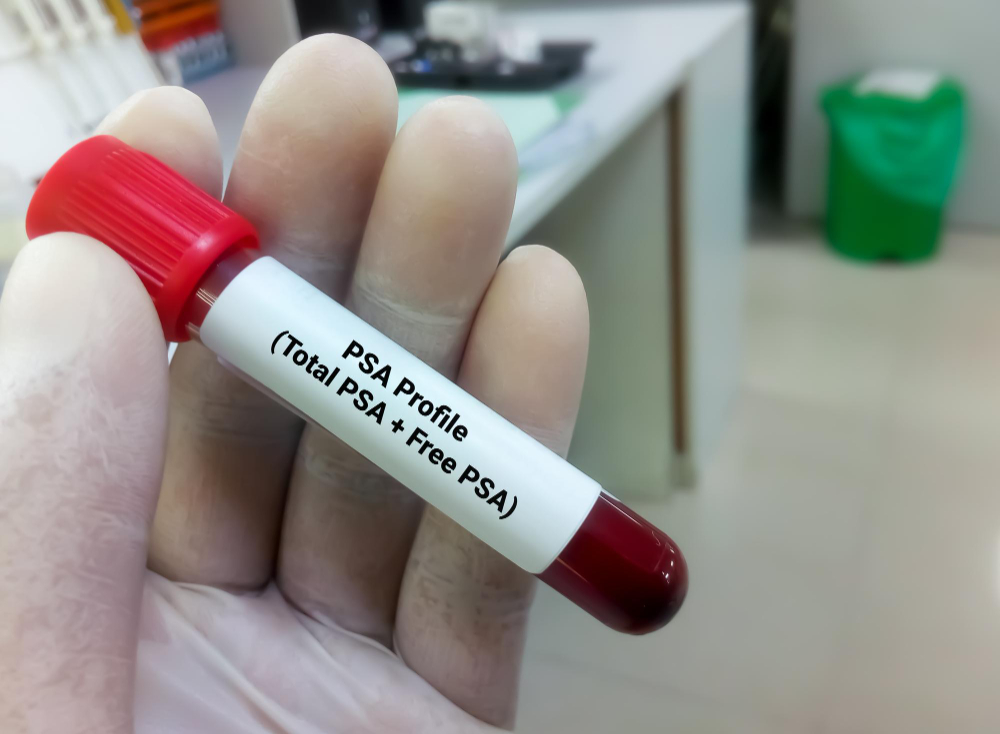
What is a PSA Test?
The PSA test is a simple blood test that measures the level of prostate-specific antigen (PSA) in your blood. PSA is a protein made by the prostate gland. Doctors often use the PSA blood test to help check for prostate problems, including prostate cancer. According to the CDC, this test is one of the main tools for prostate-specific antigen screening.
Why is the PSA Test Done?
Doctors may suggest a PSA test for several reasons. For example, it can help:
However, not everyone needs this test. Therefore, it is important to discuss your risks and benefits with your doctor.
How is the PSA Test Performed?
The PSA test procedure is quick and easy. First, a healthcare worker draws a small amount of blood from your arm. Next, the blood sample goes to a lab for testing. Usually, you do not need to fast or do anything special before the test. Most people feel only a brief pinch during the blood draw.
Interpreting PSA Test Results
After the lab checks your blood, your doctor will explain your PSA test results. PSA levels are measured in nanograms per milliliter (ng/mL). Generally, a PSA level below 4.0 ng/mL is considered normal. However, higher levels do not always mean cancer. For instance, other conditions can raise PSA, such as:
Because of this, your doctor may suggest more tests if your PSA is high. Sometimes, a repeat PSA blood test or a prostate biopsy is needed to find the cause.
Risks and Limitations of the PSA Test
While the PSA test can help find prostate problems, it is not perfect. For example, it may give false-positive results, showing high PSA when there is no cancer. On the other hand, it can also miss some cancers (false negatives). In addition, the test may lead to extra tests or treatments that are not needed. According to the WHO, the PSA test should be part of a shared decision between you and your doctor.
Preparing for the PSA Test
Most people do not need special steps before a PSA test. However, you should tell your doctor about any medicines you take. Some drugs, like those for an enlarged prostate, can affect PSA levels. Also, avoid ejaculation and vigorous exercise, such as bike riding, for 24–48 hours before the test. These activities can raise PSA levels for a short time.
Frequently Asked Questions about PSA Testing
When to Consult a Doctor
If you have questions about the PSA test or your prostate health, talk to a healthcare professional. For example, see your doctor if you have trouble urinating, blood in your urine, or pain in your lower back. Early advice can help you make the best choices for your health.
In summary, the PSA test is a helpful tool for checking prostate health. However, it is not perfect and should be used with other information. Consult a healthcare professional at Rapid Diagnostics for personalized advice about PSA testing.