
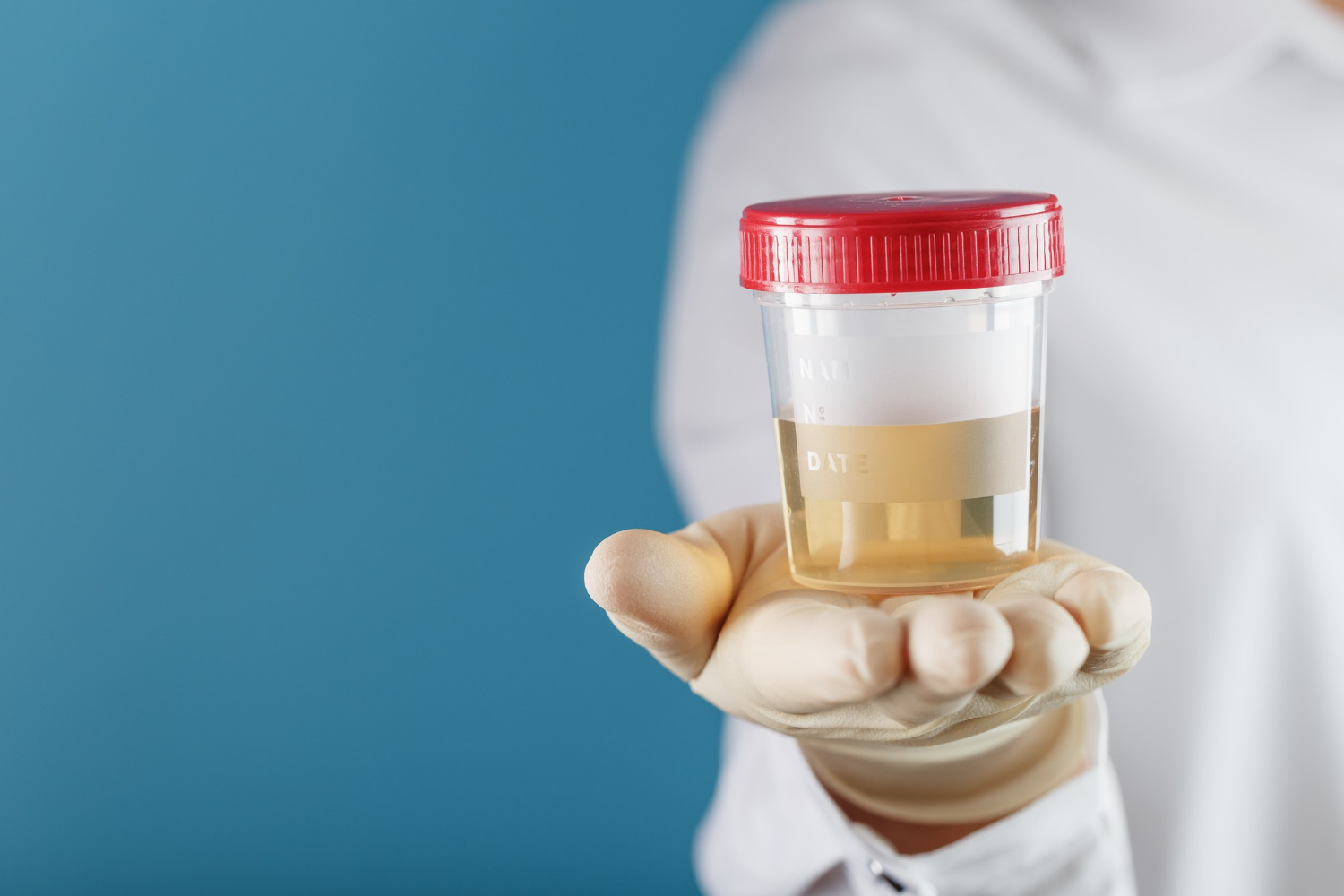
What Is a Urine Test?
A urine test is a simple way to check your health. Doctors often call it a urinalysis. This test looks at your urine for signs of illness or infection. Because urine carries waste from your body, it can show many health problems. For example, it can help find kidney issues, diabetes, or infections. Most people will have a urine test at some point. The test is quick, safe, and painless.
Why Are Urine Tests Done?
Doctors use urine tests for many reasons. Sometimes, they want to check for infections. Other times, they look for signs of kidney disease or diabetes. In addition, urine tests can help monitor certain health conditions. Here are some common reasons for a urine test:
According to the Centers for Disease Control and Prevention (CDC), urine tests are a key tool in routine health checks.
How Is a Urine Test Performed?
Usually, a urine test is easy and quick. First, you will get a clean container from your doctor or nurse. Next, you will be asked to collect a small amount of urine. Most often, you collect “midstream” urine. This means you start to urinate, then collect urine in the cup, and finish in the toilet. This helps avoid germs from your skin getting into the sample.
Sometimes, your doctor may ask you to collect urine at a certain time. For example, you may need to collect your first urine in the morning. In rare cases, you may need to collect all your urine over 24 hours. This is called a 24-hour urine collection.
How to Prepare for a Urine Test
Preparation is simple, but important. Here are some tips to help you get ready:
For most tests, you do not need to fast. However, always check with your healthcare provider. Following these steps can help you get accurate results.
What Do Urine Test Results Mean?
Urine test results can show normal or abnormal findings. But what do these results mean? Let’s break it down:
Abnormal results do not always mean you are sick. Sometimes, diet, exercise, or medicines can affect your urine. Therefore, your doctor will explain what your results mean for you. The World Health Organization (WHO) notes that urine tests are just one part of a full health check.
Tips for Accurate Urine Test Results
Getting ready for your urine test can help ensure correct results. Here are some helpful tips:
By following these steps, you can help your doctor get the best information from your test.
When to Consult a Doctor
If your urine test shows abnormal results, do not panic. Sometimes, small changes are not serious. However, you should talk to your doctor if:
Early action can help treat problems before they get worse. In summary, always ask your healthcare provider if you have questions about your urine test or results.
Consult a healthcare professional at Rapid Diagnostics for personalized advice regarding urine tests or your health.