What is the Rh Titre Test?
The Rh Titre Test checks for Rh antibodies in your blood. These antibodies can form if your blood type is Rh-negative and you are exposed to Rh-positive blood. For example, this can happen during pregnancy or after a blood transfusion. The Rh Titre Test helps doctors know if your body is making these antibodies. This test is also called the Rh antibody test.
Why is the Rh Titre Test Important?
Many people wonder why the Rh Titre Test matters. If you are Rh-negative and pregnant, this test is very important. It helps protect your baby from health problems. If Rh antibodies are present, they can attack your baby’s red blood cells. This can cause a condition called hemolytic disease of the newborn. Early detection helps doctors plan the best care for you and your baby. In addition, the test is important before some surgeries or blood transfusions.
Who Should Get the Rh Titre Test?
Not everyone needs this test. However, your doctor may suggest it if:
For many pregnant women, the Rh Titre Test in pregnancy is a routine part of care. It helps keep both mother and baby safe.
How is the Rh Titre Test Performed?
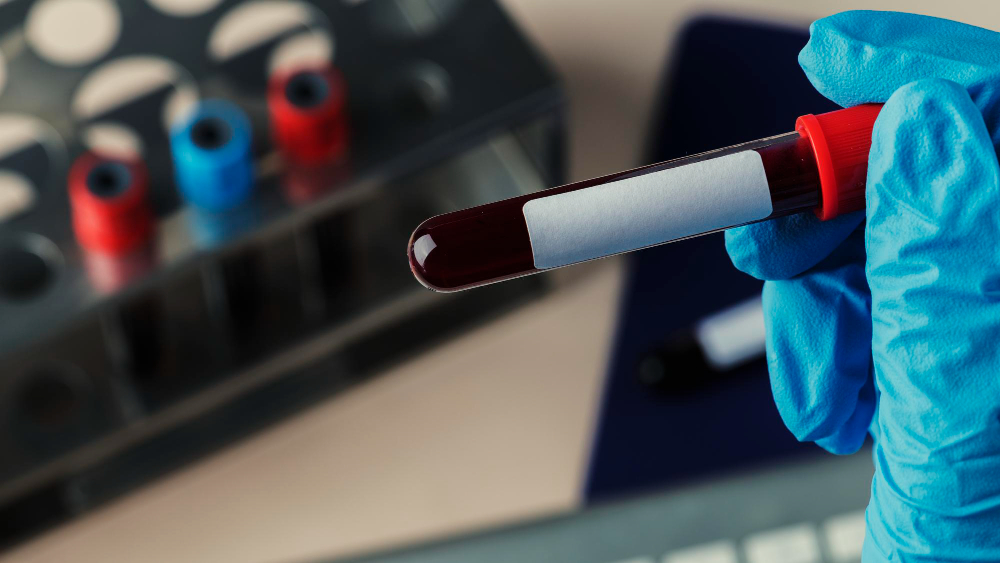
The Rh Titre Test procedure is simple. First, a healthcare worker takes a small blood sample from your arm. Next, the sample goes to a lab. There, experts check for Rh antibodies. The process usually takes only a few minutes. You do not need to fast or prepare in any special way. Most people feel only a quick pinch during the blood draw. Afterward, you can return to your normal activities right away.
Understanding Results and What They Mean
After the test, your doctor will explain the results. Here is what you might learn:
Sometimes, the test shows a “titre” or level of antibodies. A low titre means fewer antibodies. A high titre means more antibodies are present. Your doctor will explain what your Rh antibody test result means for your health or pregnancy. If needed, you may need more tests or special care.
Risks and Considerations
Most people have no problems with the Rh Titre Test. However, as with any blood test, there are small risks. You might have mild pain, bruising, or swelling where the needle went in. Rarely, infection or fainting can occur. If you feel unwell after the test, let your doctor know. Overall, the benefits of the test far outweigh the risks, especially during pregnancy.
Frequently Asked Questions (FAQs)
When to Consult a Healthcare Provider
If you are pregnant and have Rh-negative blood, talk to your doctor about the Rh Titre Test. Also, if you have had a blood transfusion or a previous pregnancy with Rh issues, ask if you need this test. Early testing can help prevent problems for you and your baby. If you have questions about your results or feel unwell after the test, contact your healthcare provider right away.
For personalized advice about the Rh Titre Test, consult a healthcare provider. They can guide you based on your health and needs.