
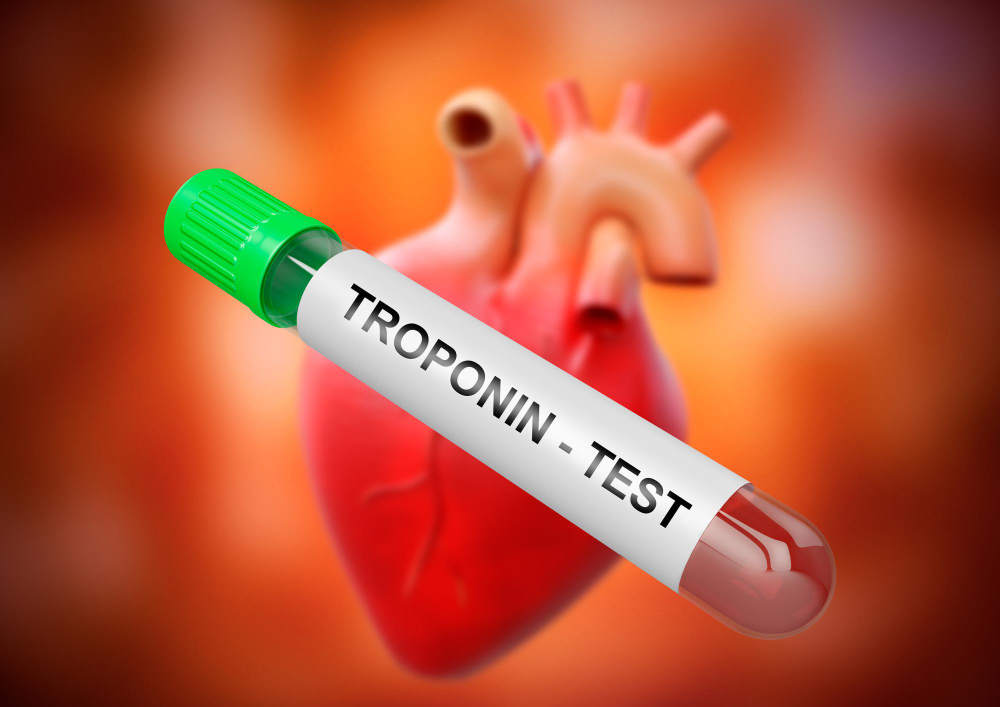
Introduction to the Troponin I Test
The Troponin I Test is a blood test that helps doctors check for heart damage. Often, this test is used to find out if someone is having a heart attack. Because it measures a protein called troponin I, it is also known as a cardiac biomarker test. When heart cells are hurt, troponin I leaks into the blood. As a result, high levels can signal a problem with the heart. This test is quick, safe, and very important for heart attack diagnosis.
Why Is the Troponin I Test Ordered?
Doctors order the Troponin I blood test when they think someone may have heart damage. Usually, this happens if a person has symptoms like:
Sometimes, doctors use this test to check for heart problems after surgery or injury. In addition, it helps track heart health in people with known heart disease.
How Is the Troponin I Test Performed?
Getting a Troponin I Test is simple. First, a healthcare worker cleans your arm. Next, they use a small needle to take a blood sample from a vein. The process takes only a few minutes. You do not need to fast or do anything special before the test. However, always follow your doctor’s instructions. After the blood draw, you can return to your normal activities right away.
Understanding Troponin I Test Results
After the test, your doctor will review your troponin I levels. Here is what the results may mean:
Sometimes, doctors repeat the test after a few hours. This helps them see if levels are rising or falling. Because other conditions can also raise troponin I, your doctor will look at your symptoms and other test results too.
Causes of Elevated Troponin I Levels
High troponin I levels usually point to heart problems. However, there are several possible causes:
Because many things can affect troponin I, doctors use other tests and your medical history to find the true cause.
Next Steps After the Troponin I Test
If your troponin I levels are high, your doctor may order more tests. These can include an ECG (heart tracing) or an ultrasound of the heart. Sometimes, you may need to stay in the hospital for treatment. Treatment depends on the cause. For example, a heart attack may need medicines, procedures, or surgery. If your levels are normal, your doctor may look for other causes of your symptoms.
Prevention and Lifestyle Guidance for Heart Health
Keeping your heart healthy can lower your risk of heart problems. Here are some tips:
By making healthy choices, you can protect your heart and lower your risk of needing a Troponin I Test in the future.
Frequently Asked Questions (FAQs) about the Troponin I Test
Conclusion
The Troponin I Test is a key tool for checking heart health and diagnosing heart attacks. Because it is quick and accurate, it helps doctors make fast decisions. If you have questions about your heart or test results, consult a healthcare professional at Rapid Diagnostics for personalized advice about Troponin I testing and heart health.